Using an Anion Gap Calculator to Interpret Lab Results
An anion gap calculator is a practical tool for reviewing laboratory findings that helps analyze electrolyte patterns in a serum chemistry panel. It is not a diagnosis by itself, but it can serve as a helpful diagnostic clue when reviewing blood chemistry results and evaluating acid-base balance. By comparing the measured serum sodium, serum chloride, and serum bicarbonate, the calculator estimates the anion gap, which can help identify an electrolyte imbalance or a broader acid-base disorder.
Understanding the anion gap is especially helpful when reviewing an electrolyte panel, a basic metabolic panel, or a comprehensive metabolic panel. These tests are commonly used in medical screening, patient evaluation, and diagnostic workup. The result can guide clinical https://anion-gap-test959.iamarrows.com/how-to-operate-an-anion-gap-calculator-using-a-basic-metabolic-panel decision support, but it should always be interpreted alongside symptoms, history, and other supportive findings.
What exactly the Anion Gap Indicates
The anion gap represents the gap between the main positively charged and negatively charged particles in the blood, using common serum electrolytes. In simple terms, it measures the amount of sodium with the combined amount of chloride and bicarbonate. Because routine lab tests do not directly detect every charged particle in the blood, the anion gap helps estimate the amount of unmeasured anions.
This turns the anion gap a helpful marker in lab interpretation. If the gap is increased, it may suggest that acids or other unmeasured substances are accumulating in the body. If the gap is reduced, it may suggest changes in albumin, lab variation, or less commonly another underlying issue. In clinical practice, this result often serves as a diagnostic clue rather than a final answer.
The anion gap is most often reviewed when a provider is looking for a metabolic disturbance, especially if there is concern for metabolic acidosis. It can help narrow the differential diagnosis and support a more targeted evaluation.
Anion Gap Formula and Calculation
The standard anion gap formula is:
Anion gap = plasma sodium - (plasma chloride + serum bicarbonate)
In routine use, this indicates the calculator accepts the plasma sodium, reduces by the combined amount of plasma chloride and serum bicarbonate, and produces an anion gap value. Certain calculators may also support slightly different formulas depending on whether potassium is included, but the standard version does not include potassium.
This calculation is commonly done from lab values in a basic metabolic panel or comprehensive metabolic panel. Because the formula depends on the blood chemistry values reported by the laboratory, even small differences in testing methods or reference standards can affect the result. That is why checking the particular reference range used by the lab matters.
The anion gap calculation is a useful form of clinical decision support because it assists identify patterns that might not be obvious from the individual numbers alone. For example, a low bicarbonate with a normal or elevated gap suggests different possibilities than a low bicarbonate with a normal gap.
How to Interpret a Normal, Increased, or Low Anion Gap
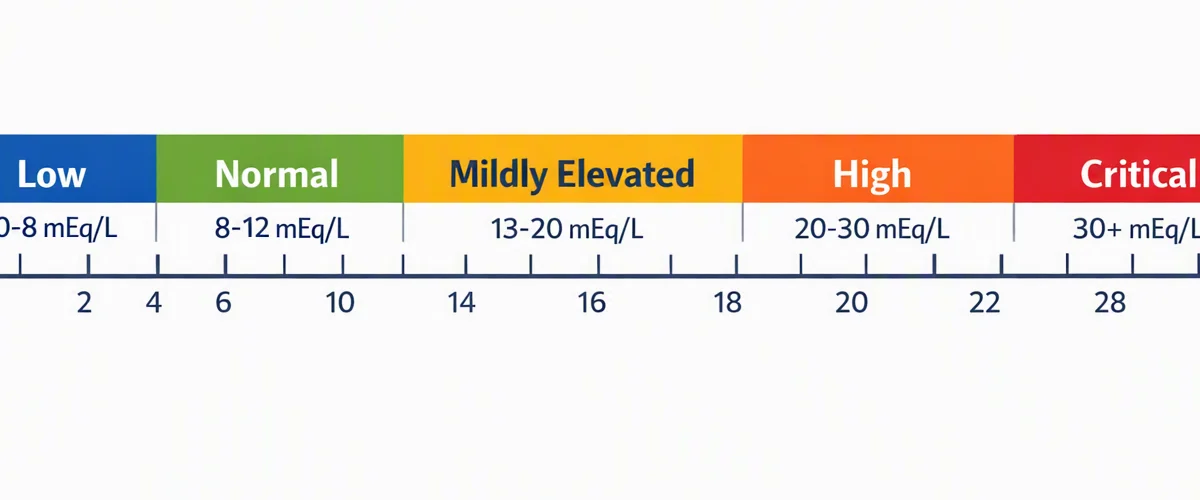
A normal anion gap usually suggests the measured electrolytes are in a level compatible with normal acid base balance. That said, a normal result does not always eliminate disease. It simply shows the pattern does not strongly indicate excess unmeasured acids.
A increased anion gap metabolic acidosis is a significant finding because it often indicates that acids are increasing in the body. This can happen when the body generates too much acid, cannot clear acid properly, or is exposed to a substance that creates acid. A high gap is often one of the most important patterns in an acid-base disorder and can be a key diagnostic clue during patient evaluation.
A reduced anion gap is uncommon. It may be caused by laboratory variation, changes in proteins, or certain medical conditions. A major factor to consider is albumin, since this protein carries negative charge in the blood and affects the gap. When albumin is low, the anion gap may appear decreased than expected even if the overall clinical picture indicates otherwise.
Understanding the result requires context. The same anion gap value can have different meaning depending on the presence of symptoms, kidney function, medication use, and other lab abnormalities. That is why the result should be viewed as part of an broader interpretation guide rather than as a standalone diagnosis.
Frequent Reasons of an Atypical Anion Gap
A number of conditions can cause an atypical anion gap. Certain ones are critical and require rapid evaluation, while others are more long-term or related to other lab findings.
- Lactic acidosis can increase the gap when lactic acid piles up, often during impaired tissue oxygenation, severe illness, or shock.
- Ketoacidosis, including diabetic ketoacidosis or starvation-related ketosis, can also create a high gap because ketones are unmeasured anions.
- Renal failure may impair the body’s ability to eliminate acids, leading to accumulation of unmeasured acids and a high gap.
- Toxic alcohol ingestion is another important source of a high gap and can be connected with serious metabolic derangement.
These causes are part of the differential diagnosis when a provider notes an abnormal lab result. The pattern does not confirm a specific condition on its own, but it can assist in guide the diagnostic workup. For example, high-gap acidosis may prompt screening for ketones, lactate, kidney function, or toxin exposure.
Not all acid-base disorders increase the gap. In normal anion gap metabolic acidosis, bicarbonate is lost or reduced, but the gap remains about the same because chloride often rises to compensate. This is sometimes described as a chloride shift, where chloride takes the place of lost bicarbonate to preserve electrical balance.
That distinction is clinically important. A normal gap and a high gap point to different mechanisms, so the calculator helps clarify the interpretation of blood chemistry results.
Adjusting the Anion Gap for Albumin
Hypoalbuminemia, or low albumin, can make the measured anion gap look lower than it truly is. Since albumin is one of the key negatively charged proteins in the blood, it affects the balance of charged particles and the final gap value. This is why albumin correction is often recommended when interpreting results in hospitalized or ill patients.
A corrected anion gap is computed by modifying the measured value upward when albumin is low. The exact correction method can change by institution, but the basic idea is the same: if albumin is reduced, the anion gap should be read with caution because the raw number may miss the presence of unmeasured acids.
The reason this counts comes down to albumin binding and charge balance. Albumin normally contributes negative charge, so when levels fall, the body may seem to have fewer unmeasured anions than it actually does. Correcting for this can enhance acid-base interpretation and decrease the risk of missing a clinically meaningful high gap.
Albumin correction is especially valuable when evaluating patients with severe illness, inflammation, liver disease, or poor nutrition. In those settings, an apparently normal anion gap may hide a true acid-base disorder. This is one reason the corrected value is often more informative than the unadjusted number alone.
How to Use an Anion Gap Calculator Stepwise
An anion gap calculator is easy to use, but accurate input matters. The tool is only as useful as the lab values entered into it, so it is important to use the correct numbers listed by the laboratory.
- Find the serum sodium, serum chloride, and serum bicarbonate from the lab report.
- Type those numbers into the calculator input fields.
- Check whether the calculator includes an albumin adjustment option.
- Review the calculated anion gap value and compare it with the stated reference range.
- Use result interpretation in the context of symptoms, history, and other labs.
If the calculator provides a reference range, evaluate the result to that range rather than using one universal cutoff. Different laboratories may use slightly different methods or reporting standards. That means a result that is borderline in one setting may be considered normal in another.
For best use, the calculator should be seen as a support tool for interpretation, not a replacement for professional judgment. It can support pattern recognition, but it cannot diagnose the cause of an abnormal result by itself. A careful clinician will combine the anion gap with the patient’s condition, other blood chemistry markers, and any relevant symptoms.
In practice, a calculator can be a efficient way to identify whether the data suggest an acid-base disorder, whether albumin correction is needed, and whether the pattern should prompt a more detailed diagnostic workup. That makes it a practical tool for clinical decision support and patient evaluation.
When to Seek Clinical Evaluation
An unexpected anion gap should be discussed with a medical provider, especially when it occurs with concerning symptoms. These may include difficulty breathing, confusion, nausea and vomiting, severe fatigue, dehydration, or signs of worsening illness. In the right context, these symptoms can point to metabolic acidosis or a separate serious condition.
Emergency care may be necessary if there are severe symptoms, altered mental status, breathing changes, or suspected toxin exposure. A high gap in the presence of illness can indicate a potentially serious metabolic derangement that should not be ignored. If toxic alcohol ingestion is possible, prompt evaluation is particularly important.
Even a low or normal result may warrant further evaluation if the patient has persistent symptoms or other abnormal findings. The calculator is useful for screening and interpretation, but it is not a substitute for medical advice. A provider can determine whether the result fits the larger clinical picture and whether additional testing is needed.
In short, the anion gap is one part of a broader lab interpretation process. It helps highlight patterns, but the real value comes from connecting those patterns to the patient’s overall presentation.
Frequently Asked Questions
What is an anion gap calculator used for?
An anion gap calculator is used for lab test interpretation and clinical decision support. It helps estimate the anion gap from serum sodium, serum chloride, and serum bicarbonate, which can reveal clues about acid-base balance, electrolyte imbalance, and possible metabolic acidosis.
What is the normal anion gap range in adults?
The normal range can vary by laboratory and by the formula used, so the best answer is to check the specific reference range listed with the lab report. Some labs use a smaller or wider range depending on their methods and whether albumin correction is considered.
What causes the anion gap high in metabolic acidosis?
A raised anion gap in metabolic acidosis typically indicates there are higher levels of unmeasured anions in the blood, such as lactate or ketones. This picture is often seen in high anion gap metabolic acidosis and can be caused by lactic acidosis, ketoacidosis, renal failure, or toxic alcohol ingestion.
How do you correct the anion gap for low albumin?
To correct the anion gap for low albumin, clinicians use an albumin correction formula that raises the measured value upward when hypoalbuminemia is present. Because albumin normally contributes negative charge through protein binding, a low level can make the raw result look falsely low. The corrected anion gap gives a more accurate picture for acid-base interpretation.
Could a low anion gap be a sign of a serious problem?
Yes, a low anion gap can occasionally be associated with a serious problem, although it is often due to lab variation or low albumin. It should be reviewed in context, especially if there are other abnormal lab results or symptoms. A medical provider can determine whether it reflects a benign finding or needs a diagnostic workup.